mm-news-@dmin
 -
Britain, France, and Germany sent a letter to the UN Security Council.
-
E3 hopes the move will push Iran to make commitments.
-
“E3’s commitment to a diplomatic solution remains steadfast.”
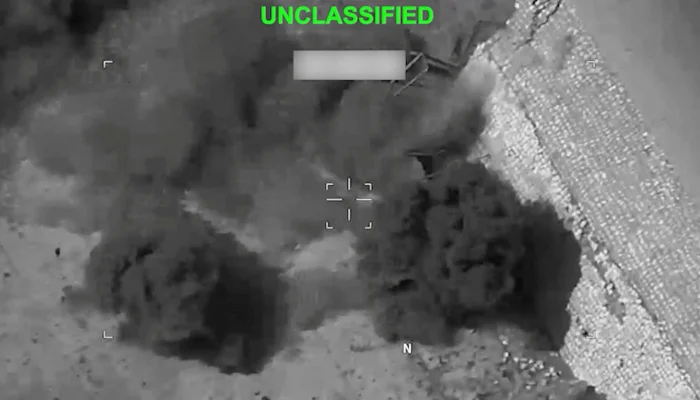
Britain, France, and Germany launched a 30-day process to reimpose UN sanctions on Iran over its nuclear programme. On Thursday, a step likely to stoke tensions two months after Israel and the United States bombed Iran, according to a letter sent by E3 to the UN Security Council seen by Reuters.
In a statement, the trio known as the E3 said they had triggered the so-called snapback mechanism before losing the ability in mid-October to restore sanctions on Tehran. That were lifted under the 2015 nuclear accord with world powers.
They have held several rounds of talks with Iran since Israel and the United States struck its nuclear installations in mid-June, aiming to agree to defer the mechanism, but they deemed that talks in Geneva on Tuesday did not yield sufficiently tangible commitments from Iran.
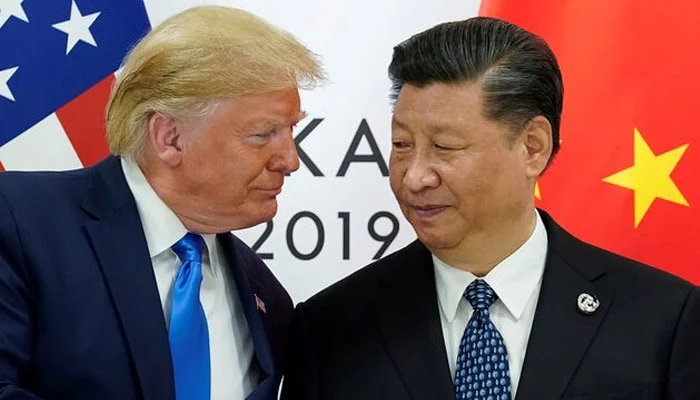
The E3 have pressed ahead now over accusations that Iran has violated the 2015 deal that aimed to prevent Tehran from developing a nuclear weapon. The United States, which was party to that deal, pulled out under President Donald Trump in 2018 and held failed indirect negotiations earlier this year with Tehran.
The E3, whose ministers informed US Secretary of State Marco Rubio of their decision on Wednesday, said they hoped that Iran would engage by the end of September to provide commitments over its nuclear programme that would convince them to defer concrete action.
The E3 vowed to use every diplomatic tool available to ensure Iran never develops a nuclear weapon. That includes our decision to trigger the ‘snapback’ mechanism today through this notification,” they said in the letter.
“The E3’s commitment to a diplomatic solution nonetheless remains steadfast. The E3 will fully make use of the 30 days following the notification to resolve the issue giving rise to the notification.”
Meanwhile, Britain, France, and Germany’s move to reimpose all UN sanctions on Iran is “illegal and regrettable”, a senior Iranian official told Reuters, adding that Tehran was reviewing its options, including withdrawing from the Non-Proliferation Treaty.
“The move is an action against diplomacy, not a chance for it … However, Iran will continue diplomacy with the E3 … (But) Iran will not concede under pressure,” added the senior official.
The E3 had offered to extend the snapback for as much as six months to enable serious negotiations. If Iran resumes full UN inspections. Which would also seek to account for Iran’s large stock of enriched uranium that has not been verified since the June strikes — and engages in talks with the United States.
Growing frustration in Iran
The UN process takes 30 days before sanctions that would cover Iran’s financial, banking, hydrocarbons, and defence sectors are restored.
Growing fears of renewed United Nations sanctions under the snapback mechanism are fueling frustration in Iran. Where economic anxiety is rising and political divisions are deepening, three insiders close to the government said.
As the prospect of tighter international restrictions threatens to further isolate the Islamic Republic. Officials in Tehran remain split — with hardliners urging defiance and confrontation, while moderates advocate diplomacy.
Iran’s rial weakened sharply since Wednesday. After a Reuters report about the E3 moving to trigger the return of United Nations sanctions.
Iran has been enriching uranium to up to 60% fissile purity. A short step from the roughly 90% of weapons-grade, and had enough material enriched to that level. If refined further, for six nuclear weapons, before the strikes by Israel started on June 13, according to the IAEA.
Actually producing a weapon would take more time. However, and the IAEA has said that while it cannot guarantee Tehran’s nuclear programme is entirely peaceful. It has no credible indication of a coordinated weapons project.
The West says the advancement of Iran’s nuclear programme goes beyond civilian needs. While Tehran denies it is seeking nuclear weapons.